 Facebook
 X
X
 Pinterest
 Copy Link
What Is a Buydown?
A buydown is a mortgage financing technique with which the buyer attempts to obtain a lower interest rate for at least the first few years of the mortgage or possibly its entire life. A 2-1 buydown, for example, is a specific type of mortgage buydown that allows homebuyers to save on their interest rate for the first two years of the loan. Buydowns can also use a 3-2-1 structure as well.
KEY TAKEAWAYS
- A buydown allows homebuyers to obtain a lower interest rate when taking out a mortgage loan.
- Buydowns can save homeowners money on interest over the life of the loan.
- A buydown can involve purchasing discount points against the mortgage loan, which may require payment of an up-front fee.
- Whether it makes sense to choose a buydown when buying a home can depend on the interest rate for which you qualify and how long you plan to remain in the home.
Understanding Buydowns
Buydowns are easy to understand if you think of them as a mortgage subsidy offered by the seller on behalf of the homebuyer. Typically, the seller contributes funds to an escrow account that subsidizes the loan during the first years, resulting in a lower monthly payment on the mortgage. Builders or sellers may offer a buydown option to help increase the chances of selling the property, by making it more affordable.
The builder or seller of the property usually provides payments to the mortgage-lending institution, which, in turn, lowers the buyer’s monthly interest rate and, therefore, monthly payment. The home seller, however, usually will increase the purchase price of the home to compensate for the costs of the buydown agreement.
Homebuyers may choose an adjustable-rate mortgage (ARM) if they plan to refinance once the initial rate term ends or if they plan to sell the property before the rate adjusts.
Buydown Structuring
Buydown terms can be structured in various ways for mortgage loans. Most buydowns last for a few years, then the mortgage payments increase to a standard rate once the buydown expires. A 3-2-1 and 2-1 mortgage buydown are two common structures mortgage lenders can use.
3-2-1 Buydown
In a 3-2-1 buydown, the buyer pays lower payments on the loan for the first three years. For each of the first three years of the mortgage, the buyer’s interest rate would increase incrementally by 1% annually. The full interest rate would apply beginning with the fourth year of the mortgage loan.
While the buyer received savings from the lower interest rate in the first three years, the difference in the payments would have been made by the seller to the lender as a subsidy.
2-1 Buydown
A 2-1 buydown is structured the same as a 3-2-1 buydown; however, its discount is only available for the first two years. So you would have a 2% interest rate reduction for the first year of the mortgage, then a 1% rate discount for the second year of the mortgage. Your interest rate—and your monthly payments—would increase over time until your loan reaches its actual percentage rate.
This happens in year three of the loan. At this point, your monthly mortgage payment would reflect the true loan rate. You would pay upfront for the 2-1 buydown at closing, and, theoretically, the money that you save over the first two years would cancel out that payment.
Consider the interest rates for which you’re likely to qualify, based on your credit history and income, to determine if a buydown is worth it.
Buydown Pros and Cons
Whether it makes sense to use a buydown to purchase a home can depend on several things, including the amount of the mortgage, your initial interest rate, the amount you could save in interest over the initial loan term, and your estimated future income. How long you plan to stay in the home also can come into play for determining your break-even point.
Pros
- A buydown temporarily reduces your interest rate, saving you money and lowering your monthly payments during the initial loan term.
- Choosing a buydown may allow you to pay less for the home than the seller’s listing price.
- It could make sense for homebuyers whose income will increase in the years to come.
Pros Explained
- Interest savings: Choosing a buydown could save you money on interest costs during the first two years (with a 2-1 buydown) or three years (with a 3-2-1 buydown) of the mortgage.
- Price reduction: If a seller is offering to pay something toward the buydown, then this could reduce the cost of buying the home.
- Ease into higher payments: If you’re just starting your career and your income is expected to rise, then you may not have any issues with making your higher mortgage payments over time.
Cons
- Once the buydown rate ends, your monthly payment could be higher than expected.
- A buydown may not be an option for certain property types or loan types.
- If your income doesn’t increase, then you could struggle with making monthly mortgage payments.
Cons Explained
- Ongoing affordability: Once the initial rate period ends, your monthly payments could be substantially higher than what you’re used to. That could be problematic if your income has dropped since purchasing the home.
- Availability: Your ability to take advantage of a buydown may be limited by the type of property involved or the type of mortgage loan for which you’re applying.
- Default risk: If you’re not able to make the higher payments after the initial buydown period then you could be at greater risk of losing the home to foreclosure.
Remember to consider both the up-front costs of buying a home, such as the down payment or closing costs, and the ongoing costs to understand how much you can afford to become a homeowner.
Example of a Buydown Mortgage
Here are some examples of how a buydown mortgage can work. Say you’re borrowing $250,000 with a 30-year fixed-rate loan at 6.75%. You can choose between a 2-1 buydown or a 3-2-1 buydown.
Here’s what the loan breakdown would look like with a 2-1 buydown option:
- Year 1: $1,304 at 4.75% interest
- Year 2: $1,459 at 5.75% interest
- Year 3: $1,622 at full 6.75% interest
The buydown fee for this loan would be $5,759. Now, say you choose the 3-2-1 buydown instead. Here’s what your loan payments would look like:
- Year 1: $1,158 at 3.75% interest
- Year 2: $1,304 at 4.75% interest
- Year 3: $1,459 at 5.75% interest
- Year 4: $1,622 at full 6.75% interest
Meanwhile, the buydown fee for this loan increases to $11,324. So when considering a buydown, it’s important to look beyond the initial low payment period to determine whether the costs involved in the near term are worth any interest savings you might realize.
When to Use a Buydown
A buydown could make sense for buyers if it allows them to get a mortgage without significantly increasing the purchase price of the home or draining their cash reserves. Buydowns also may be more appropriate for people who have stable incomes set to grow over the life of the loan, making it easier to keep up with payment increases once the initial rate period ends.
But again, timing matters. If you don’t plan to stay in the home for at least five years, then you might not see any real savings at all from a buydown. So consider your future plans for buying a home and how long you might stay put before committing to a mortgage buydown.
Also, remember that not every mortgage is eligible for a buydown. For example, you can’t use them to purchase an investment property or for cash-out refinancing. Government-backed loans, such as FHA loans and USDA loans, also have specific guidelines regarding buydowns and when they can be used.
Transforming Your Back-to-School Routine: A Parent’s Guide to Success

The return to school can bring significant changes to your daily schedule, especially when you have daughters. Striking the right balance between work, school, and extracurricular activities can be an ongoing challenge. However, with patience and a collaborative spirit, you and your children can navigate the school year together. To help you settle into the new routine, here’s a comprehensive back-to-school survival guide for parents:
Family Calendar Collaboration:
Take advantage of digital tools like Google Calendar to create a shared family calendar. Include everyone’s schedules, such as school events, extracurricular activities, work commitments, and other essential dates. This way, everyone stays informed and on track.
Establish Consistent Routines:
Developing reliable morning and evening routines is key to smoother school days. Set regular wake-up and bedtime hours, prepare school bags the night before, and lay out clothes and lunches to save time and minimize stress.
Prioritize Communication:
Maintain open lines of communication with your children’s teachers and coaches. Stay informed about schoolwork, projects, and upcoming events by regularly checking emails or school communication platforms.
Encourage Independence:
Foster a sense of responsibility in your daughters by encouraging them to take ownership of their schoolwork and extracurricular commitments. Adjust your guidance according to their age and stage of development, empowering them to plan and manage their time effectively.
Share Household Responsibilities:
Lighten the load for everyone by delegating household chores and tasks among family members. Teaching each family member to contribute to the household builds teamwork and reduces the burden on any one person.
Plan Family Meals:
Save time and reduce weekday stress by planning and preparing meals in advance. Involve your daughters in meal planning and preparation to impart valuable life skills. Utilize knowledge about healthy eating to create each week’s meal plan.
Emphasize Physical Activity:
Encourage your girls to participate in sports or physical activities that interest them. Consider family outings or exercise sessions together to foster a healthy and active lifestyle.
Set Realistic Goals:
Help your daughters set realistic academic and extracurricular goals. Avoid overwhelming them with too many activities and teach them the importance of balancing school, hobbies, and leisure time.
Prioritize Quality Time:
Amidst the hustle and bustle, make it a point to spend quality time with your girls. Engage in family activities and create lasting memories through short bonding moments.
Practice Self-Care:
As a parent, taking care of yourself is essential. Find time for hobbies, exercise, or relaxation activities to rejuvenate and reduce stress, enabling you to be at your best for your children.
Flexibility is Key:
Life can throw unexpected challenges your way, despite all the planning. Embrace flexibility and adaptability while maintaining a positive outlook to cope with unforeseen circumstances.
Seek Support:
Don’t hesitate to reach out for help from friends, family, or support groups. Sharing experiences and tips with other parents can be invaluable in navigating the school year successfully.
Celebrate Achievements:
Recognize and celebrate your daughters’ achievements, no matter how big or small. Acknowledging their efforts will motivate them to continue working hard and staying dedicated to their goals.
In conclusion by following this comprehensive guide, you can ensure a smoother transition into the new school year and create a nurturing environment that supports both you and your daughters in achieving success and happiness. Remember, finding the right balance is an ongoing journey, so be patient and enjoy the process together.
Back to School: Are You Smarter Than a 5th Grader?

As summer begins to wind down and the warm days gradually give way to the crisp autumn air, there is a certain buzz in the atmosphere that can only mean one thing – it’s time to go back to school! Whether you’re a student, a parent, or a teacher, the back-to-school season brings a mixture of excitement, anticipation, and perhaps a touch of nervousness. It’s a fresh start, a chance to embark on new adventures, and an opportunity to expand our knowledge.
However, speaking of knowledge, let’s put your intellect to the test with a few “Are You Smarter Than a 5th Grader” questions! (answers can be found at the end)
- A grouping of lines within a poem is called what?
- The stripes on the U.S. flag represent what?
- If my closest neighbor lives 212 yards away from me, how many feet away does she live?
- In what year was the Bill of Rights ratified?
- Which layer of the Earth is liquid?

Now that we’ve tested your trivia skills, let’s dive into the excitement and significance of the back-to-school season.
The Excitement of Starting a New School Year:
Certainly the start of a new school year brings with it a sense of renewed energy and enthusiasm. It’s a chance to meet new friends, reunite with old ones, and reconnect with teachers. The school hallways bustle with anticipation as students eagerly anticipate the adventures that lie ahead. From the younger students just beginning their educational journey to the older ones navigating the challenges of high school, each grade level offers its unique opportunities for growth and learning.
Expanding Knowledge and Building Skills:
Undoubtedly, school serves as a gateway to knowledge, where young minds absorb information, expand their horizons, and build crucial skills. From learning how to read and write to exploring complex mathematical equations and scientific concepts, each subject equips students with valuable tools for the future. As the school year progresses, students delve into the realms of literature, history, art, music, and physical education, allowing them to discover their passions and talents.
Teachers as Guides and Mentors:
Especially, behind every successful student stands a dedicated teacher. Educators play a pivotal role in shaping young minds and nurturing their potential. They create engaging lesson plans, foster critical thinking, and provide guidance that extends far beyond the confines of a classroom. With their expertise and unwavering commitment, teachers inspire students to reach for the stars and become lifelong learners.
The Importance of a Well-Rounded Education:
Furthermore, education is not just about textbooks and exams; it’s about fostering holistic growth. School provides a platform for students to explore their interests and develop important life skills. Through extracurricular activities, such as sports, clubs, and arts programs, students learn teamwork, time management, leadership, and creativity. The diverse array of opportunities helps them discover their strengths, build character, and gain a deeper understanding of themselves and the world around them.
As the back-to-school season approaches, it’s an exciting time for students, parents, and teachers alike. The school environment, with its blend of knowledge, friendships, and personal growth, offers endless possibilities. It’s a chance for each individual to embark on a journey of discovery and self-improvement. So, whether you’re entering kindergarten or preparing for your senior year of high school, embrace the upcoming school year with open arms, ready to expand your knowledge, nurture
Answers:
- A grouping of lines within a poem is called what?
Answer: A stanza.
- The stripes on the U.S. flag represent what?
Answer: The 13 original British colonies in early America.
- If my closest neighbor lives 212 yards away from me, how many feet away does she live?
Answer: 636 feet. There are 3 feet in a yard, so multiplying 212 by 3 gives us the answer.
- In what year was the Bill of Rights ratified?
Answer: The Bill of Rights was ratified in 1791.
- Which layer of the Earth is liquid?
Answer: The outer core.
What’s Going on With Florida Homeowners Insurance? We’ve Got the Latest Info

The Florida homeowners insurance market remains challenging. Pineapple Insurance breaks it all down and what it means for you.
Recent Developments in Florida Homeowners Insurance
- Eight homeowners insurance companies were taken into receivership by the State of Florida – the most recent being United Property and Casualty in March of 2023.
- Farmers Insurance has announced that it would no longer write homeowners insurance in the state and has now informed the Florida Office of Insurance Regulation of its intention to leave the state for all personal lines (auto, home, and umbrella insurance.)
- Multiple carriers have restricted new business capacity, initiated non-renewals, and have taken some rather large rate increases to combat rising costs, principally related to litigation and inflation (labor and materials).
- Citizens, which is the state-run insurer of last resort, has Policies in force (PIF) of 1,317,174 as of June 30, 2023.
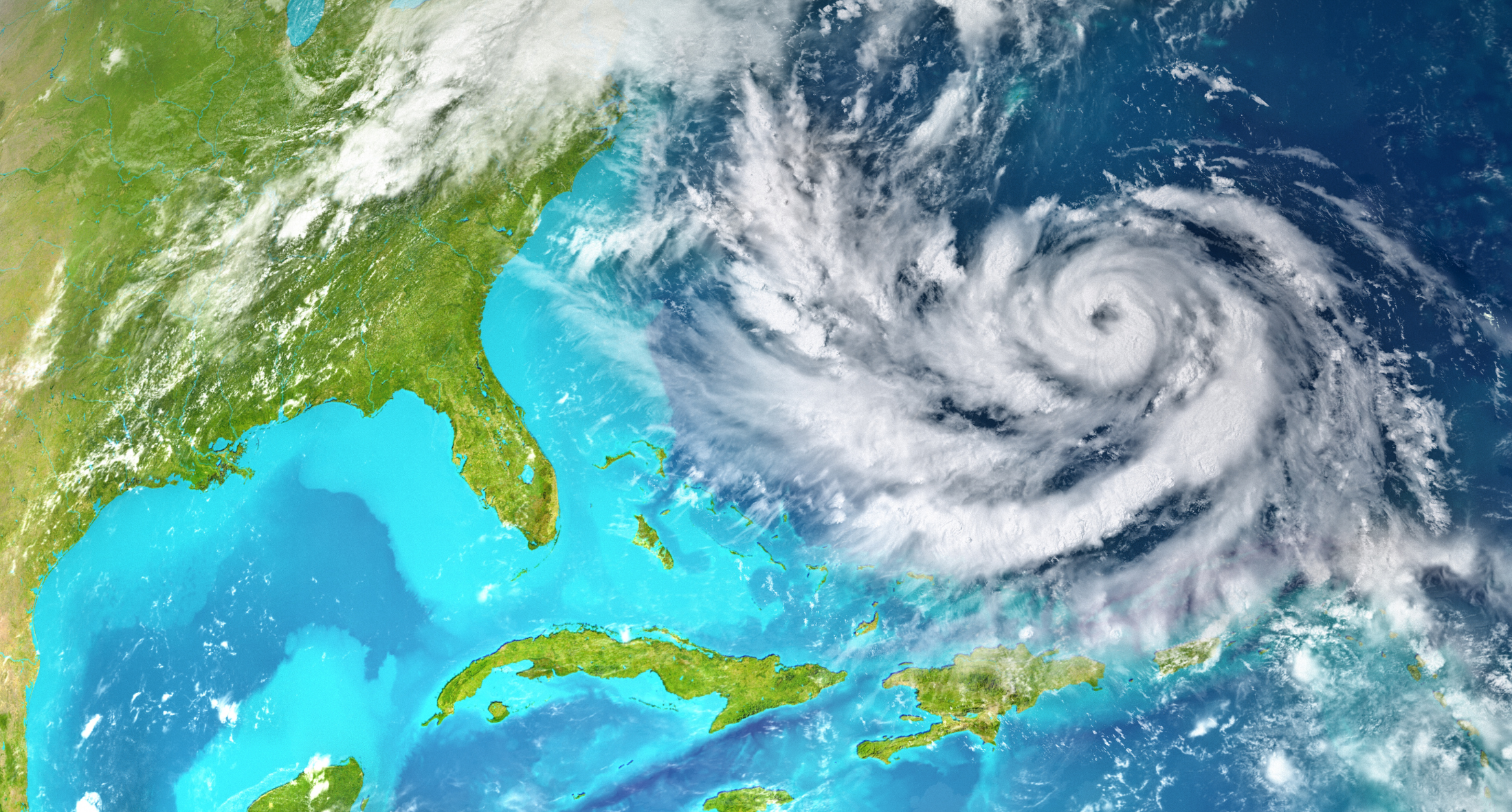
- Lastly, the forecast for the 2023 NOAA hurricane season is anticipating 12–17 total named storms in 2023, 5–9 of them could become hurricanes, of which 4 could become a major hurricane.

Florida Homeowners Insurance Reform
To combat these challenges, the Florida Legislature held a special session in December to provide meaningful reform, which the governor has signed into law. The purpose of the reforms is to:
- Stabilize the personal homeowners insurance market by allowing carriers to better estimate their future costs.
- Reduce frivolous lawsuits and unnecessary litigation, thereby reducing costs for insurance companies and, ultimately, the consumer.
These reforms should bring about market stabilization. The next 12 to 24 months will continue to be challenging as carriers implement these changes and attorneys test the reforms. The Florida Personal Lines property insurance market has faced similar challenges in the past and has always found solutions.
The Future Outlook of Florida Homeowners Insurance
We strongly recommend that each of you have a flood policy. Only 1 out of 4 homes in Florida have flood insurance. Much of the damage that was caused by Hurricane Ian was attributable to floods (rising waters and storm surges), which are not covered by your homeowners insurance policy.
If you have a condo, you will need to have a standalone flood policy to cover the repairs needed for your condo unit (walls in) as well as your personal contents. When the storm is in the Gulf, it is too late to purchase as the Federal flood program has a 30-day wait period. The time to act is now.
If you have any questions, if we can be of assistance, or if we can review your existing coverages for your home, flood, auto, or umbrella policies, please contact Pineapple Insurance at 813-438-7240 or visit us at pineappleinsure.com for important reference information or to request a quote or contact. Stay safe.
Tampa Bay Area Among Top Moving Destinations in 2023

A new list of top cities people are moving to this year includes two Tampa Bay cities. PODS Moving & Storage’s customer moving data shows that Florida still holds the No. 1 spot of any state for relocation.

Top Tampa Bay Area Spots
Sarasota ranked No. 2, down from the top spot last year, while Tampa dropped five places to ninth. Orlando, Ocala, and Jacksonville are the other Florida destinations on the list at Nos. 3, 4, and 8, respectively. Florida saw the most significant increase in new residents, with six Florida regions earning a spot on the top 20 list.
City |
Rank |
| 1. | Myrtle Beach, SC/Wilmington, NC (6th in 2022) |
| 2. | Sarasota, FL (1st in 2022) |
| 3. | Orlando, FL (9th in 2022) |
| 4. | Ocala, FL (5th in 2022) |
| 5. | Houston, TX (12th in 2022) |
| 6. | Dallas-Fort Worth, TX (2nd in 2022) |
| 7. | Knoxville, TN (7th in 2022) |
| 8. | Jacksonville, FL (11th in 2022) |
| 9. | Tampa Bay, FL (4th in 2022) |
| 10. | Greenville – Spartanburg, SC (14th in 2022) |
| 11. | Nashville, TN (3rd in 2022) |
| 12. | Melbourne, FL (15th in 2022) |
| 13. | Portland, ME (20th in 2022) |
| 14. | San Antonio, TX (13th in 2022) |
| 15. | Boise, ID (19th in 2022) |
| 16. | Charlotte, NC (18th in 2022) |
| 17. | Asheville, NC (17th in 2022) |
| 18. | Phoenix, AZ (10th in 2022) |
| 19. | Savannah, GA |
| 20. | Raleigh, NC |

What the Report Measures
The data analyzes the movement of consumers over the past 15 months, identifying environmental factors behind these trends. Southern states had the most significant influx of people for the second year, with more than 80% of the relocations.
Economics was a significant factor in where people decided to move. Lower tax rates, warmer weather, and more affordable housing are also key. Last year, the biggest factor influencing people to move was working remotely and moving to be closer to family and friends. Cities with higher living costs, turbulent weather, and higher crime rates saw the greatest loss in residents.
Most Wanted Move-to-Metros
More than 25% of Americans want to relocate to a different metro area, mainly to escape high home prices where they currently live. Last year, it was 23%, and before the pandemic, it was less than 20%. Overall, five Florida metro areas rank in the top 10 go-to cities in the U.S.
Top 10 Move-to-Metros in May 2023
1. Phoenix: Net inflow at 8,100. The top move-from destination is Seattle
2. Las Vegas: Net inflow at 6,900. The top move-from destination is Los Angeles
3. Miami: Net inflow at 6,900. The top move-from destination is New York City
4. Tampa: Net inflow at 9,000. The top move-from destination is New York City
5. Orlando: Net inflow at 1,400. The top move-from destination is New York City
6. North Port-Sarasota: Net inflow at 4,900. The top move-from destination is Chicago
7. Cape Coral: Net inflow at 4,600. The top move-from destination is Chicago
8. Dallas: Net inflow at 4.500. The top move-from destination is Los Angeles
9. Sacramento, Calif.: Net inflow at 4,300. The top move-from destination is Chicago
10. Houston: Net inflow at 63,700. The top move-from destination is New York City
Hurricane Season: Is your storm preparation truly enough?

Brace yourselves! Joining forces in this crucial endeavor, the USDA Forest Service poses a vital question: Is your storm preparation truly enough?
While the conventional hurricane season spans from June 1 to November 30, it’s high time to formulate a comprehensive plan for those residing and working in hurricane-prone areas. Yet, even for those residing outside these zones, it is an important reminder that natural and man-made hazards can strike unexpectedly. Preparedness, in all its glory, becomes paramount.
To embark on this journey of readiness, begin by acquainting yourself with the potential disasters that could befall your area. Pledge to craft an emergency plan for yourself, your family, and your friends. Familiarize yourself with the state and local emergency management agencies that exist within your vicinity. The resources we provide below are applicable to various types of natural disasters, ensuring your preparedness in any scenario.
Take a glance at a selection of resources to fortify yourself during this year’s Hurricane Preparedness Week:

Know Your Risk: Hurricanes transcend coastal boundaries. Devastating consequences can reverberate hundreds of miles inland, irrespective of the storm’s intensity.
-
Identify your threats: Be aware of storm surges, heavy rain-induced flooding, strong winds, tornadoes, and rip currents.
-
Determine if you reside in a flood-prone area.
-
Ascertain if you live within an evacuation zone.
-
Recognize your home’s structural vulnerabilities, with mobile homes and basements often being at higher risk.
-
Proactively procure your disaster supplies to avoid hasty, life-saving preparations just moments before the storm strikes. Remember, supplies may become scarce during those critical hours. Additionally, initiate an early review of your insurance coverage, as flood insurance necessitates a 30-day waiting period.
Forge an Evacuation Plan:
-
Strategize your evacuation plan, considering multiple contingencies.
-
Compile essential disaster supplies, such as food, water, batteries, chargers, radios, and cash.
-
Conduct an insurance checkup and meticulously document your possessions.
-
Create a communication plan, including a handwritten list of emergency contacts.
-
Bolster your home’s resilience to withstand the tempestuous forces of nature.
Comprehend Forecast Information:
-
Grasp the nuances of forecast information before a storm. This wealth of knowledge provides critical insights into the storm’s trajectory, expected rainfall amounts, wind speeds, and more. Above all, it equips you and your loved ones with clear instructions on preparing, monitoring, seeking shelter, or evacuating. For comprehensive information, visit www.hurricanes.gov.

Rely on Reliable Sources:
-
Leverage forecasts from the esteemed National Hurricane Center and your local National Weather Service office.
-
Familiarize yourself with various alerts and discern the distinction between a Watch and a Warning.
-
Prioritize potential impacts, regardless of the storm’s size or category.
-
Acknowledge that lethal hazards extend well beyond the confines of the Forecast Cone.
Know What to Do During the Storm:
-
Whether you evacuate or choose to weather the storm in the safety of your home, be fully aware of the perils that lie ahead.
-
Stay vigilant, stay informed by staying abreast of the latest forecasts and alerts, and heed the advice of local officials.
-
Safeguard your abode by securing windows
Be sure to schedule time for discussing your home’s flood insurance with your trusted insurance agents at Pineapple Insurance to ensure proper storm preparation ahead of the hurricane season. This will help you be fully prepared for whatever storm-related challenges may come your way.
Tampa Bay Hacks: Know What the Locals Know

For those of you new to the area, or even those of you who have lived here most/all of your life, there are some great insider tips that locals are sharing on Reddit. Check out some of the Tampa Bay hacks below!

1. Pro Tip – Order Pub Subs online and avoid the long lines.
2. Can’t get a reservation at Bern’s Steakhouse? Go for an early dinner at 5, have the steak sandwich and the house wine, then impress your date in the desert room. Great meal and dessert for under $50 a person!
3. Older people who have lived here their whole lives are great resources to have. Find one to pick their brain about Tampa.

4. The beaches are far less crowded Monday – Thursday.
5. Don’t go to the beach on a holiday or when Spring Breakers are here.
6. Enjoy sing-along movies at Tampa Theatre.
7. Buy your next used car from a snowbird in March/April, right before they return home (low miles).

8. When traveling west from Brandon on I-4 and you need to get to 275, get off at the expressway and get off at Kennedy, go through downtown, hang a right on N Ashley, and hop back on 275 there. You pay a toll but save a ton of time avoiding Malfunction Junction.
9. Causeway Blvd in Brandon turns into 22nd St once you pass 50th St and takes you all the way into Ybor next to IKEA. It’s usually less crowded and less stressful than Adamo Dr or the Crosstown, and you can jump on the Crosstown there next to IKEA to get downtown or even get on Adamo Dr.
10. Drive through town and stay off the interstates.
11. Get to know all the surface streets. They are almost always faster to get around on vs. the highways.

12. Downtown Tampa, other than during Lightning home games, is still pretty dead from Sunday evening through Wednesday. These are the best nights to eat out if you’re trying to avoid the crowd.
13. If you work downtown, leave before 5 pm the nights of Lightning games, especially if you park at Fort Brooke. The way out is a mess on those nights. If there is no game, wait to leave downtown until 6:30 – 7 pm to avoid heavy I-275 traffic. Some work late or grab dinner at Hattricks or anywhere else open past 5, so it’s a breeze to get home when done.

14. Carry an umbrella.
15. Take a sunset cruise in October (the heat will still generate rain clouds, but it won’t rain, and it makes the sunsets spectacular).
16. Avoid 717 parking lots.
17. Military veteran hack: Florida is super vet-friendly; always ask if a business offers a discount or special perk. Those who have tried have gotten into Florida state parks at no cost. Free vet parking. Busch Gardens discount. The zoo or aquarium, when they offer it, the list goes on, and you can’t forget lots of free booze!

18. Spring Training games are always better than regular season games.
19. If you’re picking up somebody at Tampa International Airport, park in the long-term parking garage on Level 4, close to the pedestrian bridge. The bridge will take you directly into the waiting area. Grab yourself a coffee while you’re waiting. No more fighting with traffic in the loading zone or staring at a boring board in the cell phone parking lot. Park in the long-term parking garage; the first hour is free.
20. Check traffic reports before leaving home, especially if you’re going over the bridge. Oh, and sunscreen, sunscreen, sunscreen, sunscreen!
Some reported Tampa Bay hacks have been edited for clarity.
John Tomlin Recognized With National Gold Leadership Award

Junior Achievement has named Tomlin St Cyr CEO John Tomlin as a recipient of its prestigious Gold Leadership Award. The national honor for volunteerism was awarded to 11 participants chosen from more than 247,000 U.S. volunteers.
The Gold Leadership Award honors excellence in volunteerism, recognizing leadership in supporting and expanding Junior Achievement’s student impact, resources, operational excellence, and sustainability.

“Our local business community’s support of Junior Achievement is critical to achieving our mission to inspire and prepare young people to succeed in the global economy,” said Richard George, president of Junior Achievement of Tampa Bay.
“John Tomlin, CEO at Tomlin St Cyr Real Estate Services, is a remarkable example of that spirit of dedication and service to others. In a very real way, he helps Tampa Bay-area Junior Achievement students understand the knowledge and the skills they need to own their economic success, make smart academic and economic choices, and plan for their future.”
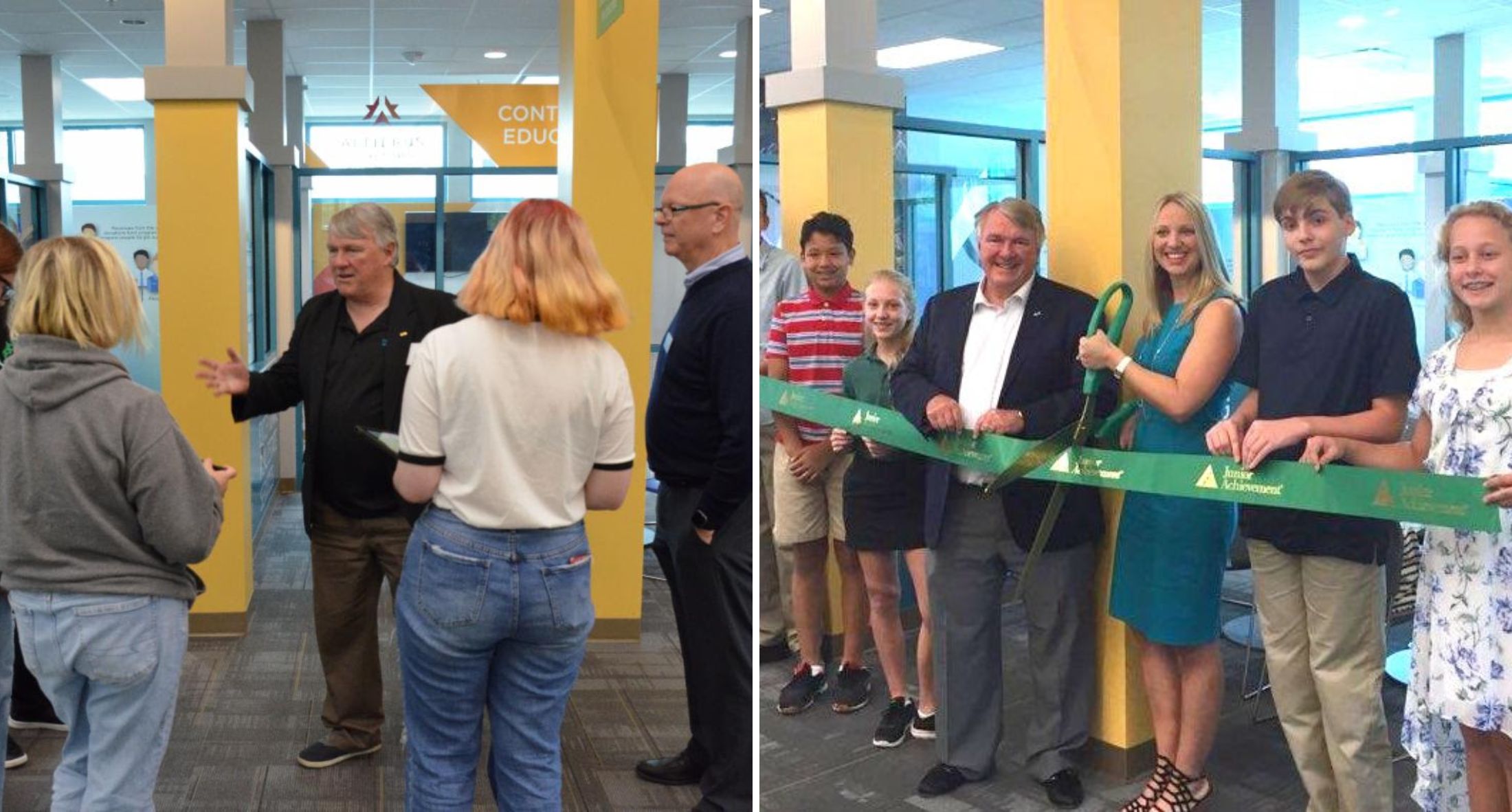
Throughout his 30+ year volunteer career at Junior Achievement, Tomlin has served in leadership roles several times. In addition to three different terms as the board chair, he continues to serve on the executive committee.
As an entrepreneur, Tomlin is passionate about providing students with skills and experiences that promote the pillars of Junior Achievement. His contributions include being on the Campaign Trustees for the opening of JA BizTown in Tampa Bay in 2006 and sponsoring a storefront in Tomlin St Cyr’s name at Tampa Bay’s JA Finance Park.

Tomlin, a graduate of the Wharton School, is a past CEO of AAA Auto Club South, and an active community leader in Tampa Bay. He and his wife Holly have three children and four grandchildren.
Summer’s Bucket List in Tampa Bay

Welcome to Tampa Bay, where summer comes alive with endless excitement and fun! If you’re looking for an unforgettable summer experience, we’ve got you covered. In this article, we’ve curated a list of must-do activities and events that will make your summer in Tampa Bay truly memorable. So, grab your sunscreen, put on your shades, and let’s dive into the adventure!
- Soak Up the Sun at Tampa Bay’s Stunning Beaches:
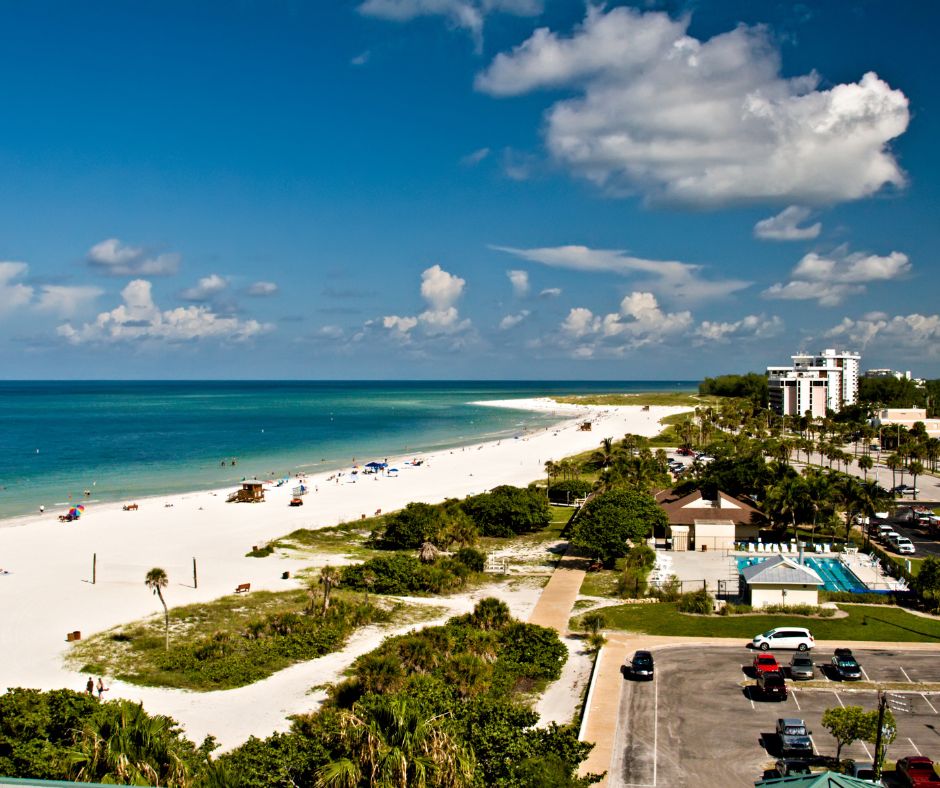
Tampa Bay is renowned for its breathtaking beaches, offering the perfect escape to paradise. Spend a day basking in the warm sun, taking refreshing dips in the crystal-clear waters, and creating sandcastles with your loved ones. Clearwater Beach, St. Pete Beach, and Honeymoon Island are among the most popular choices where you can unwind and create lasting memories. - Embrace the Great Outdoors in Tampa Bay:
Immerse yourself in the natural beauty of Tampa Bay by exploring its magnificent parks and reserves. Whether you prefer hiking, biking, or enjoying a picturesque picnic, Lettuce Lake Park, Alafia River State Park, and Hillsborough River State Park provide a perfect backdrop for outdoor adventures. Don’t forget your camera to capture the stunning landscapes!
- Immerse Yourself in Tampa Bay’s Vibrant Culture:
Tampa Bay is a melting pot of diverse cultures, and you can dive into this cultural tapestry by visiting local museums, attending festivals, and exploring historical sites. The Tampa Museum of Art, the Florida Holocaust Museum, and Ybor City are just a few of the top cultural attractions that will open your eyes to the city’s rich heritage. Get ready for a journey through time and culture! - Delight Your Taste Buds with Tampa Bay’s Culinary Delights: Prepare to embark on a culinary journey through Tampa Bay’s foodie paradise. From delectable fresh seafood to authentic Cuban cuisine, the city offers an array of gastronomic delights. Indulge in mouthwatering dishes at renowned restaurants such as Ulele, Columbia Restaurant, and The Rusty Pelican. Your taste buds will thank you!
- Experience Thrilling Sporting Events:
For sports enthusiasts, Tampa Bay is the ultimate destination. Catch the excitement of live sports by attending a Tampa Bay Rays baseball game, cheering on the Tampa Bay Buccaneers at a football match, or witnessing the thrilling action of a Tampa Bay Lightning hockey game. Get ready to join the roaring crowd and create memories that will last a lifetime.


Make this summer in Tampa Bay truly unforgettable by ticking off these must-do activities and events from your bucket list. Whether you’re relaxing on the sun-kissed beaches, exploring the great outdoors, immersing yourself in the local culture, savoring exquisite culinary delights, or cheering for your favorite sports team, Tampa Bay has something for everyone. Embrace the vibrant energy of this city and create memories that will warm your heart for years to come. Your epic summer adventure awaits in Tampa Bay!
A Guide for VA Home Loans
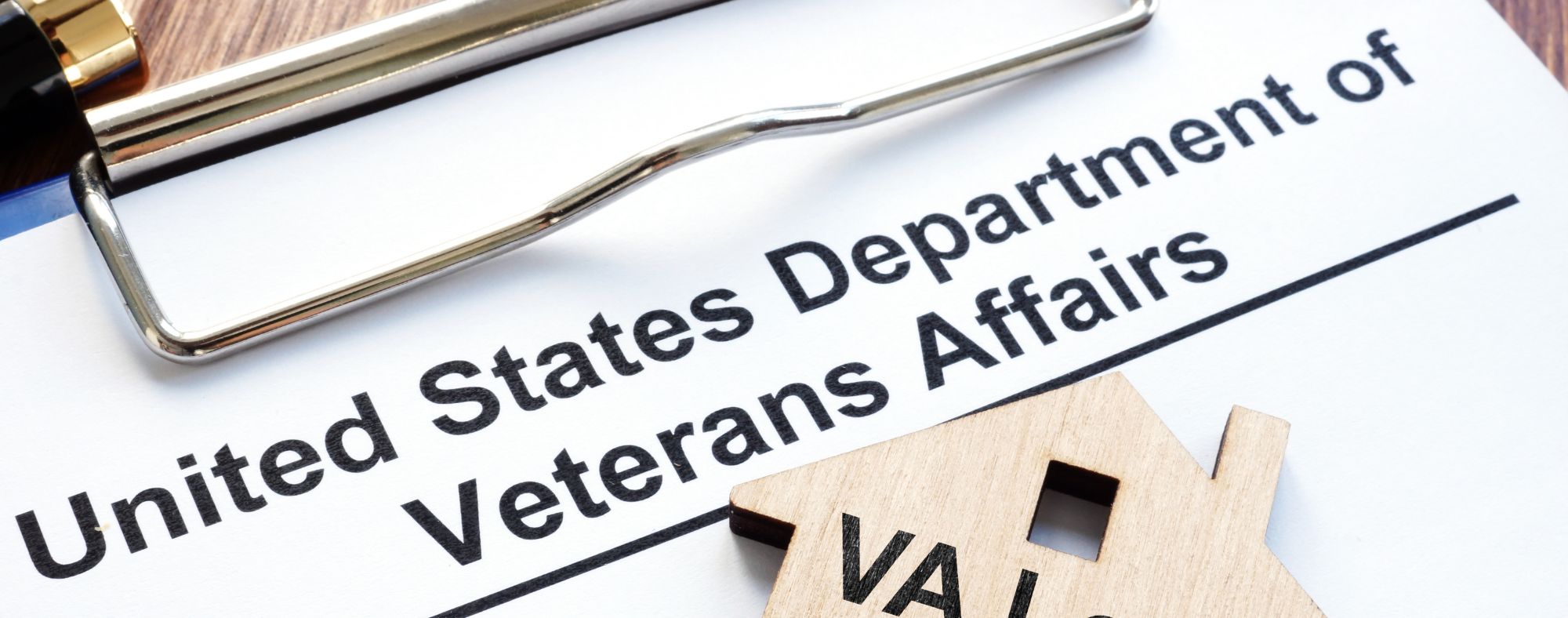
VA Home Loans: A Guide for Veterans and Active-Duty Service Members
You may be eligible for the VA (Veterans Affairs) home loan program if you are a veteran or active-duty service member. This program offers mortgage loans that the U.S. Department of Veterans Affairs guarantees to help eligible veterans, active-duty service members, and their surviving spouses buy or refinance a home. This guide will cover the critical information you need about VA loans, including what they are, the benefits, who qualifies, and how to apply.

What are VA Loans?
VA loans are home loans guaranteed by the U.S. Department of Veterans Affairs but offered by private lenders such as banks and mortgage companies. The VA guarantees a portion of the loan, which allows lenders to offer more favorable terms and conditions to eligible borrowers. VA loans can be used to purchase a home or refinance an existing mortgage.
Benefits of VA Loans
VA loans offer several benefits that make them an attractive option for eligible veterans and active-duty service members, including:
No down payment required: Eligible borrowers can purchase a home without having to save up a considerable sum of money for a down payment.
Lower interest rates: VA loans typically have lower interest rates than traditional mortgages, which can save borrowers thousands of dollars over the life of their loan.
No private mortgage insurance (PMI) required: VA loans do not require borrowers to pay private mortgage insurance (PMI), which can save borrowers hundreds of dollars each month.
More lenient credit requirements: VA loans have more lenient credit requirements than traditional mortgages, making it easier for borrowers with less-than-perfect credit to qualify for a loan.
Who Qualifies for VA Loans?
To be eligible for a VA loan, you must meet specific requirements, including:
Military service: You must be a veteran who served on active duty, a National Guard or Reserve member, or an active-duty service member. Surviving spouses of veterans may also be eligible for VA loans.
Certificate of Eligibility (COE): You must have a valid Certificate of Eligibility (COE) from the VA that verifies your eligibility for the loan.
Property requirements: The property you purchase must meet specific needs, including being used as your primary residence and meeting specific safety and habitability standards.
Credit and income requirements: You must meet the lender’s credit and income requirements to qualify for a VA loan.
How to Apply for a VA Loan
To apply for a VA loan, you must obtain your Certificate of Eligibility (COE) from the VA. You can do this online through the VA’s eBenefits portal or by submitting a Request for Certificate of Eligibility (VA Form 26-1880) by mail or in person. Then, could you contact your lender to begin your VA loan application? You must document your military service, income, and credit history. During the home buying process, your new home will undergo a VA appraisal to ensure it meets the VA loan standards and is structurally safe and sound to purchase.
In conclusion, VA loans offer well-deserved advantages for qualifying members. If you’re considering a VA loan, you should work with an experienced lender who can help you get the most out of this powerful loan program. With our simple preapproval process, you could be on the path to your VA loan today.